

Finding Balance: Physiotherapy for Vestibular Disorders
Physiotherapy Post | Vol. 2, Issue 56 | December 2024

Dear Readers,
Welcome to this edition of Physiotherapy Post!
In today’s fast-paced world, balance is not just a metaphor but a literal foundation of our well-being. For individuals grappling with vestibular disorders, everyday tasks like walking or even standing still can feel like insurmountable challenges.
This issue delves deep into "Finding Balance: Physiotherapy for Vestibular Disorders." We’ll explore how physiotherapy plays a pivotal role in restoring equilibrium, alleviating dizziness, and improving quality of life for those affected by conditions like vertigo, Meniere’s disease, and vestibular neuritis.
From evidence-based exercises to innovative rehabilitation techniques, this edition highlights actionable insights for healthcare professionals and patients alike. Join us as we navigate the intricate connection between the inner ear, brain, and body, offering hope and solutions for those seeking stability in their lives.
Let’s find balance together!
Warm regards,
Dr. Aditi Singh, PhD
Editor, Physiotherapy Post

Vestibular disorders, encompassing conditions like vertigo, vestibular neuritis, Meniere’s disease, and bilateral vestibulopathy, challenge patients with debilitating symptoms such as dizziness, imbalance, blurred vision, nausea, and a persistent fear of falling. These issues arise due to dysfunction in the vestibular system, which integrates input from the inner ear, eyes, and proprioceptive sensors to maintain balance and spatial orientation. Physiotherapy has emerged as a cornerstone in managing these disorders, offering evidence-based interventions that alleviate symptoms, improve function, and restore patients' confidence in their mobility.
Understanding Vestibular Rehabilitation Therapy (VRT)
Vestibular Rehabilitation Therapy (VRT) is a specialized form of physiotherapy tailored to address the deficits associated with vestibular disorders. This therapy involves exercises that promote vestibular compensation—a process by which the brain adapts to the altered signals from the vestibular system.
Key components of VRT include:
Habituation Exercises: Repeated exposure to symptom-provoking movements to reduce dizziness and motion sensitivity.
Gaze Stabilization: Techniques like the VOR (vestibulo-ocular reflex) exercises to improve visual focus during head movements.
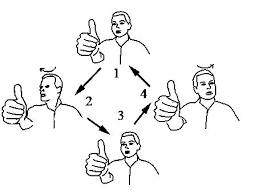
VOR REHAB. (image source:ear, balance and eustachian tube) Balance Training: Tailored exercises to enhance postural stability, particularly in challenging environments.
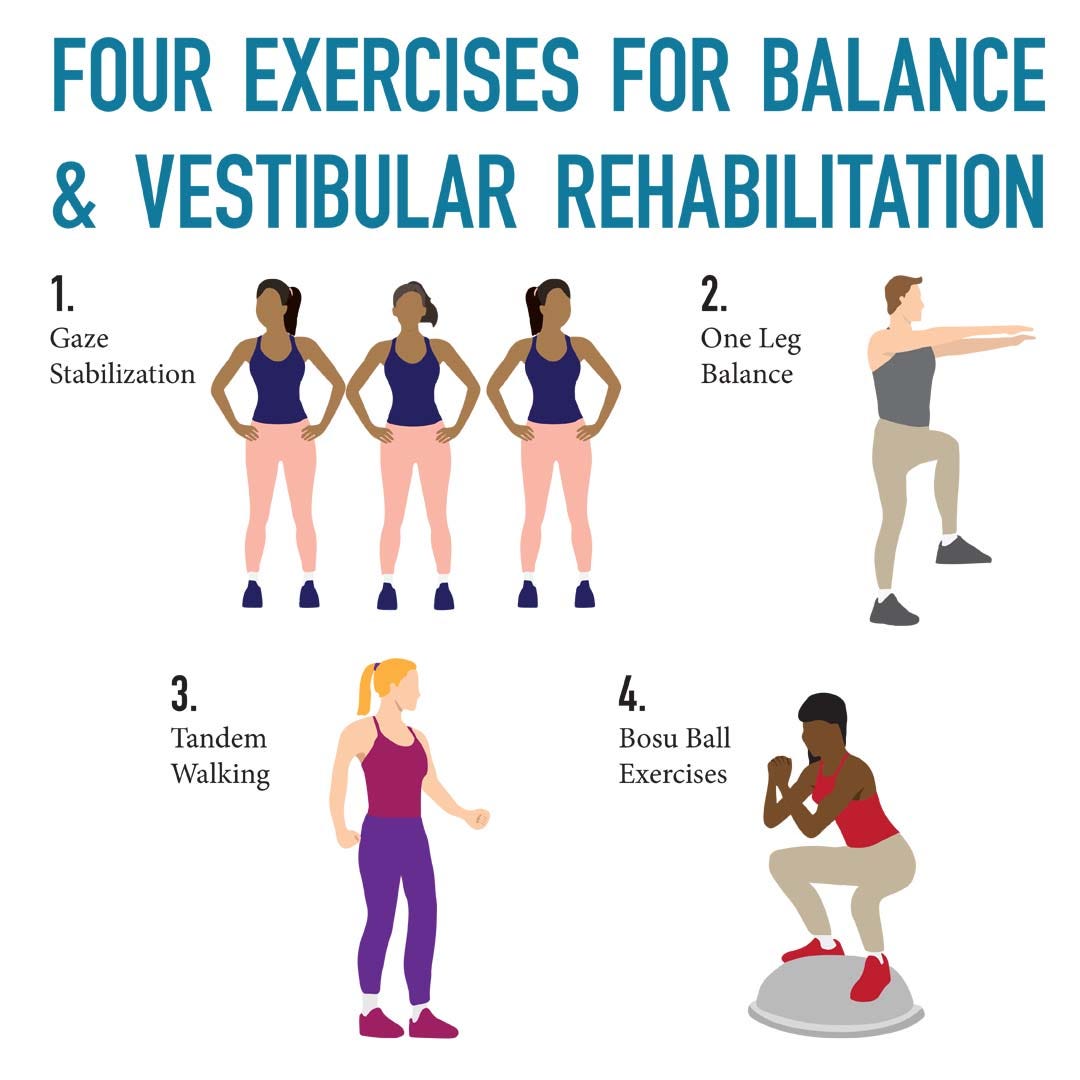
image source: omaha, NE Functional Training: Simulated real-world activities to help patients regain confidence in daily tasks.
Recent Advancements in Physiotherapy for Vestibular Disorders
1. Virtual Reality-Based Vestibular Rehabilitation
Virtual reality (VR) is transforming VRT by providing immersive environments for controlled exposure therapy. VR systems simulate real-world situations, such as walking on uneven surfaces or navigating crowded spaces, enabling patients to practice balance in a safe and adaptable setting. Research shows that VR-based rehabilitation improves outcomes in patients with persistent dizziness and motion sensitivity.
2. Wearable Technology for Balance Monitoring
Wearable devices, such as inertial measurement units (IMUs), are now used to assess balance and gait in real time. These devices provide physiotherapists with detailed data, enabling more personalized treatment plans. Wearables also empower patients by offering feedback on their progress and encouraging adherence to exercise regimens.
3. Neuromodulation Techniques
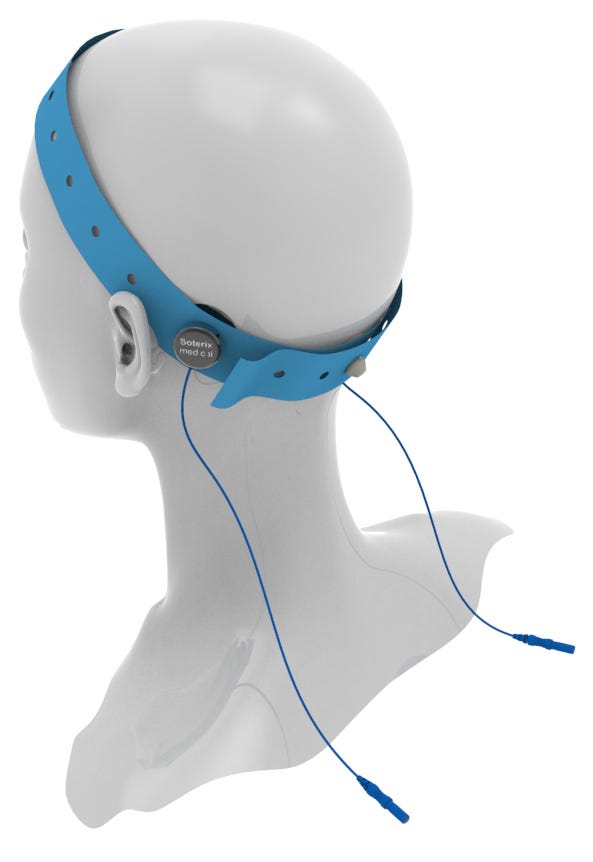
Neuromodulation, including transcranial magnetic stimulation (TMS) and galvanic vestibular stimulation (GVS), is being explored as an adjunct to VRT. These techniques modulate neural pathways to enhance vestibular compensation and improve outcomes in chronic cases.
4. Augmented Reality (AR) for Real-World Training
AR systems overlay digital information onto real-world environments, helping patients practice navigation, obstacle avoidance, and other tasks in their everyday surroundings. This approach bridges the gap between clinical rehabilitation and functional independence.
5. Advances in Diagnostic Tools
High-resolution imaging and video head impulse testing (vHIT) provide physiotherapists with a detailed understanding of vestibular deficits, enabling precise diagnosis and targeted interventions.
Integrating Multidisciplinary Care
Physiotherapy for vestibular disorders often requires collaboration with ENT specialists, neurologists, and psychologists. Cognitive-behavioral therapy (CBT) is increasingly integrated with VRT to address the anxiety and fear of falling associated with chronic vestibular disorders.
Recent Advancement:
Effects of vestibular rehabilitation therapy versus virtual reality on balance, dizziness, and gait in patients with subacute stroke: A randomized controlled trial
Sana V, Ghous M, Kashif M, Albalwi A, Muneer R, Zia M. Effects of vestibular rehabilitation therapy versus virtual reality on balance, dizziness, and gait in patients with subacute stroke: A randomized controlled trial. Medicine (Baltimore). 2023 Jun 16;102(24):e33203. doi: 10.1097/MD.0000000000033203. PMID: 37327306; PMCID: PMC10270552.
Stroke, a neurological condition caused by vascular events such as cerebral infarction or hemorrhage, often leads to dizziness, balance issues, and gait impairments. Vestibular rehabilitation therapy (VRT) involves targeted exercises to improve balance, gait, and gaze stability by stimulating the vestibular system. Virtual reality (VR) offers an immersive approach, creating simulated environments to enhance rehabilitation outcomes. In a randomized clinical trial involving 34 subacute stroke patients, one group received VRT while the other underwent VR-based therapy over 24 sessions. Both groups showed significant improvements in dizziness, balance, and gait (P < .001), but VR proved more effective in enhancing balance and gait (P = .01), while VRT showed superior results in reducing dizziness (P < .001). These findings highlight the potential of VR as a powerful adjunct to traditional rehabilitation, particularly for improving dynamic balance and mobility in stroke patients.
News update:
1. AIIMS Doctors In Process Of Developing Low-Cost Cellular Therapy For Multiple Myeloma
Read more at: Link
Heart muscle can regenerate after failure in some patients with artificial hearts: Study......
Read more at: Link
‘Faster walkers’ had significantly lower risk of diabetes, hypertension: Study
Read more at: Link
Upcoming event/s:
Thought of the Week:
If you have any questions or would like more personalised advice, feel free to reach out to our expert team at dr.aditisingh05@gmail.com.
Wishing you a vibrant and pain-free times ahead!
Warm regards,
Team Physiotherapy Post