

Strength Training Without Weights: Bodyweight Exercises Backed by Physiotherapy
Physiotherapy Post | Vol. 2, Issue 46 | October 2024

Dear Readers,
Welcome to this edition of Physiotherapy Post! Today, we delve into an exciting and empowering topic: Strength Training Without Weights: Bodyweight Exercises Backed by Physiotherapy.
In a world where fitness often seems tied to fancy gym equipment or expensive memberships, we’re here to remind you that your body is the best tool you have. With the right guidance, you can achieve incredible strength, flexibility, and endurance—all without the need for any external weights.
As physiotherapists, we understand the importance of functional movement and how essential it is to strengthen muscles in a safe, balanced way. Bodyweight exercises not only improve strength but also enhance mobility, stability, and overall coordination, making them a key part of rehabilitation and fitness alike.
In this edition, we’ll explore the science behind bodyweight exercises and how they can be used to target different muscle groups. Whether you’re recovering from an injury or looking to boost your fitness at home, these physiotherapy-backed exercises will help you unlock your body’s true potential.
Let’s embark on this journey of strength, health, and vitality—right from where you are, no gym required!
Warm regards,
Dr. Aditi Singh, Ph.D.
Editor-in-chief
Physiotherapy Post
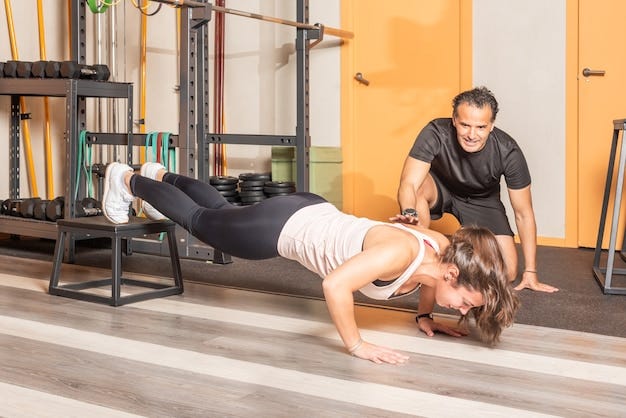
In recent years, the fitness industry has shifted towards more accessible and functional forms of exercise. Bodyweight training, which uses the body as resistance instead of external weights, has emerged as a powerful method for building strength, endurance, and mobility. From squats to push-ups and planks, bodyweight exercises can be adapted to any fitness level and are frequently used in rehabilitation by physiotherapists to improve functional strength.
In this article, we’ll dive deep into the benefits of bodyweight strength training, discuss evidence-based exercises, and highlight the physiotherapy principles that ensure these movements are both effective and safe. We’ll also review the latest research supporting the use of bodyweight exercises in fitness and rehabilitation.
1. The Science of Bodyweight Strength Training
Bodyweight training involves using your own body mass to create resistance, engaging multiple muscle groups simultaneously. This makes it a form of functional training, which focuses on movements that mimic real-life activities, improving your body’s ability to perform daily tasks and sports-specific actions.
Research has shown that bodyweight exercises can produce significant gains in strength, muscle endurance, and flexibility without requiring any external equipment. In fact, a study published in the Journal of Strength and Conditioning Research (2022) found that an 8-week bodyweight training program led to substantial improvements in muscular strength, flexibility, and body composition in sedentary adults.
2. Key Benefits of Bodyweight Training in Physiotherapy
A. Injury Prevention and Rehabilitation
Bodyweight exercises are a staple in physiotherapy rehabilitation programs. Since these movements can be easily modified, they allow for gradual progression and control, reducing the risk of injury. Physiotherapists often use bodyweight exercises like lunges, squats, and bridges to restore functional strength after injury.
A study in the British Journal of Sports Medicine (2023) demonstrated that incorporating progressive bodyweight exercises into rehabilitation plans significantly improved recovery outcomes in individuals with knee and shoulder injuries. These exercises target weak muscles without overstressing the joints, which is crucial during the recovery process.
B. Improved Balance and Stability
Bodyweight exercises engage stabilizing muscles, which are often neglected in machine-based workouts. Movements like single-leg squats or plank variations activate the core, glutes, and other stabilizers, improving balance and reducing the likelihood of falls, especially in older adults.
Recent research from the Journal of Geriatric Physical Therapy (2023) highlighted that bodyweight training programs led to improved balance and coordination in older adults, reducing fall risks by 35% over six months.
C. Flexibility and Mobility Gains
Unlike isolated exercises that may restrict movement, bodyweight exercises require dynamic full-range motions. This improves flexibility and joint mobility, which is essential for injury prevention and overall movement efficiency. Physiotherapists often prescribe bodyweight-based mobility drills, such as the "cat-cow" stretch or dynamic lunges, to enhance flexibility in stiff joints.
3. Evidence-Based Bodyweight Exercises
Here are some effective, evidence-based bodyweight exercises commonly recommended by physiotherapists. These exercises can be adapted for both beginners and advanced fitness enthusiasts and are supported by clinical research.
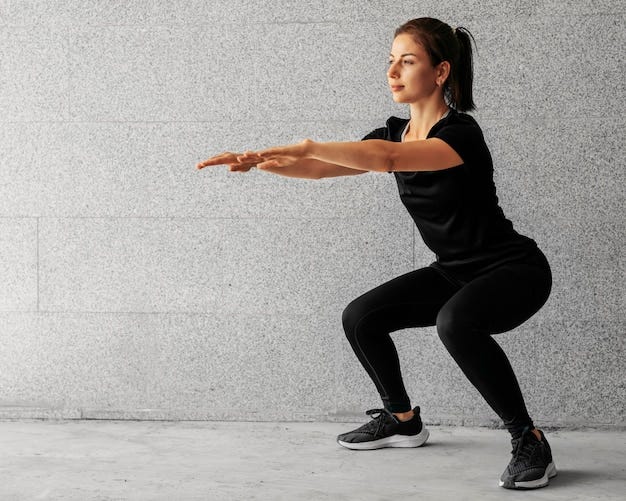
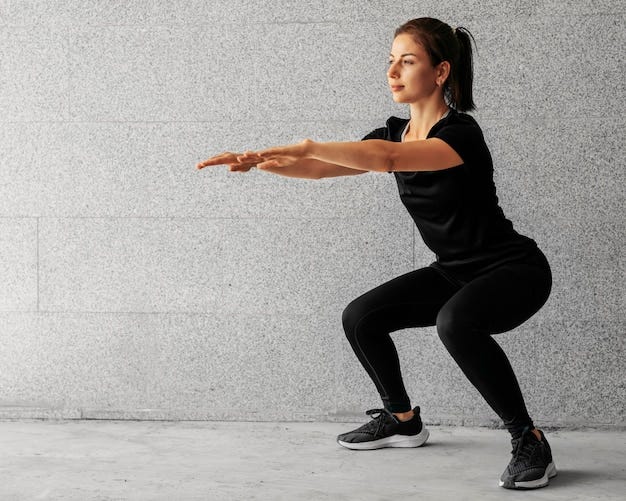
A. Squats
Muscles Targeted: Quads, hamstrings, glutes, core
Physiotherapy Benefit: Improves lower-body strength, knee stability, and hip mobility.
Research Insight: A study in Clinical Biomechanics (2022) found that bodyweight squats helped improve knee joint function and reduced pain in individuals with mild knee osteoarthritis.
B. Push-ups
Muscles Targeted: Chest, shoulders, triceps, core
Physiotherapy Benefit: Enhances upper-body strength while improving shoulder stability.
Research Insight: Push-ups have been shown to increase upper-body strength and endurance in a wide range of populations, from athletes to older adults (Journal of Applied Physiology, 2023).
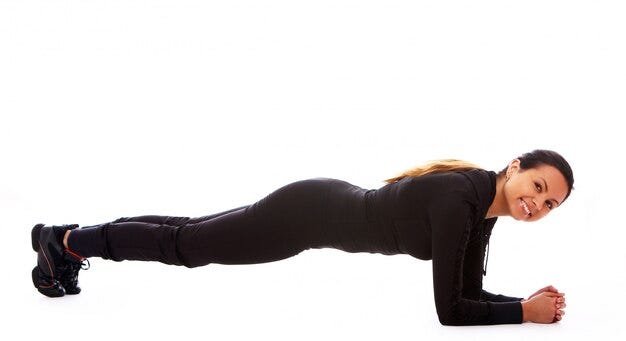
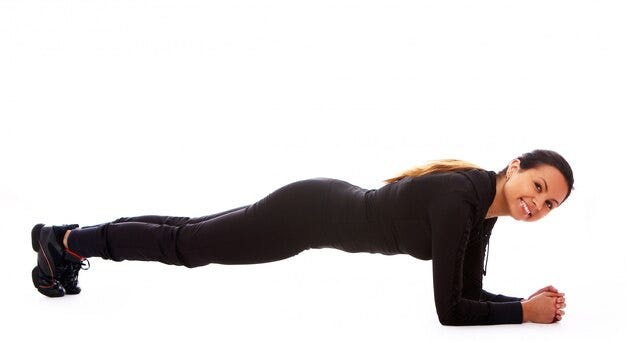
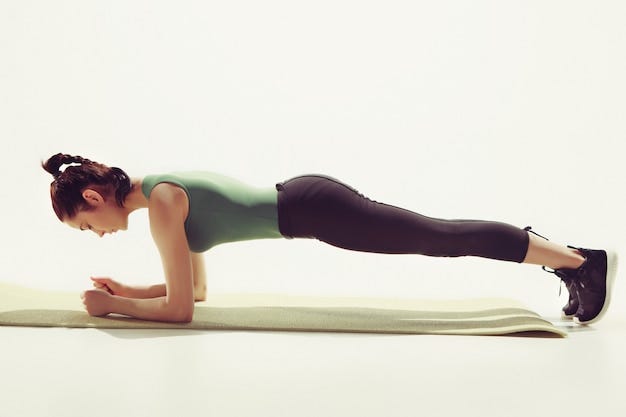
C. Planks
Muscles Targeted: Core, shoulders, back
Physiotherapy Benefit: Improves core stability and postural alignment, essential for reducing lower back pain.
Research Insight: According to a Physical Therapy & Rehabilitation Journal (2022) study, adding plank variations to rehabilitation programs increased core endurance by 25% over six weeks in patients with chronic low back pain.
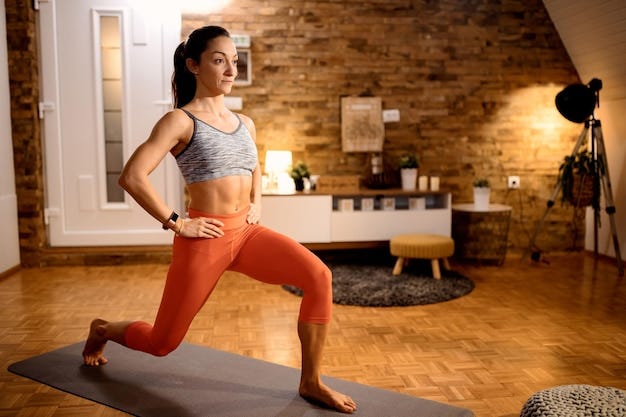
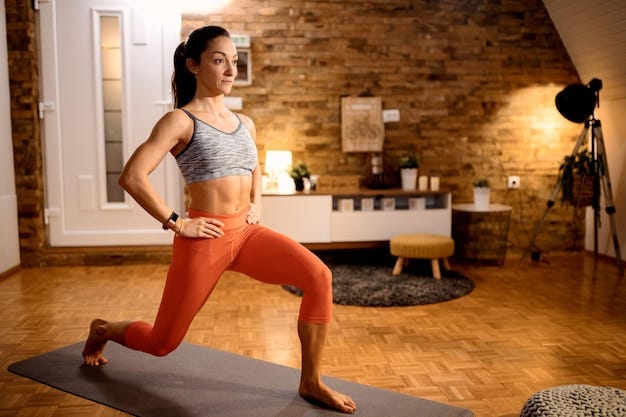
D. Lunges
Muscles Targeted: Quads, hamstrings, glutes, core
Physiotherapy Benefit: Increases unilateral leg strength and stability, beneficial for hip and knee rehabilitation.
Research Insight: A systematic review published in Sports Medicine (2023) concluded that lunges are highly effective in improving balance and functional movement in patients recovering from knee surgery.
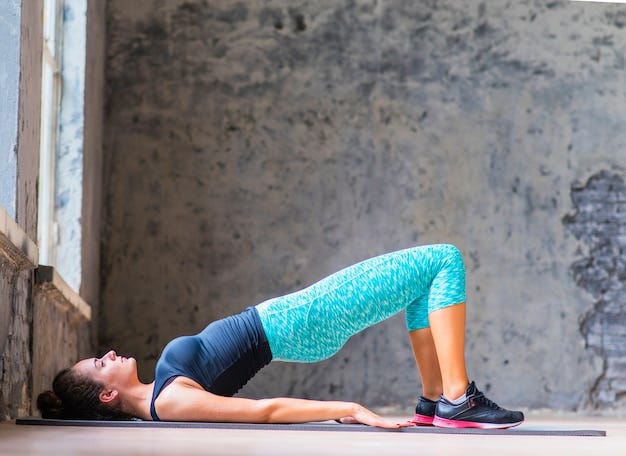
E. Glute Bridges
Muscles Targeted: Glutes, hamstrings, lower back
Physiotherapy Benefit: Strengthens posterior chain muscles, supports hip mobility, and reduces lower back pain.
Research Insight: A 2023 randomized controlled trial in the Journal of Orthopaedic & Sports Physical Therapy found that glute bridges, when added to rehab programs, significantly improved outcomes in patients with hip and lower back dysfunctions.
4. Progressive Overload in Bodyweight Training
One common concern about bodyweight training is the potential for plateauing in strength gains due to a lack of external resistance. However, progressive overload—the gradual increase of stress on the body—is still achievable with bodyweight exercises. By manipulating variables such as:
Repetitions and Sets: Increasing reps or adding additional sets over time.
Exercise Variations: Modifying exercises to more challenging variations (e.g., transitioning from regular squats to single-leg squats).
Time Under Tension: Slowing down movements or adding holds (e.g., pausing during a plank or squat).
Physiotherapists emphasize these methods to ensure ongoing strength development while minimizing the risk of injury.
5. Tailoring Bodyweight Exercises to Individual Needs
One of the greatest strengths of bodyweight training is its adaptability. Physiotherapists can modify exercises based on an individual’s specific needs, whether they are recovering from an injury or looking to build strength without risking overloading their joints.
For example, individuals with knee pain might begin with seated squats to reduce pressure on the joints before progressing to full squats. Similarly, those with shoulder issues can perform wall push-ups as a precursor to full push-ups.
Stay fit, stay strong—no weights needed!
Recent Advancement:
“Home-based Bodyweight Training: An Emergency Approach to Enhance Students’ Quality of Life”
Eidiyan-Kakhki, M. M., & Salehpour, M. (2024). Home-based Bodyweight Training: An Emergency Approach to Enhance Students’ Quality of Life. International Journal of School Health, 11(4), 279-288.
Background: Leading a sedentary lifestyle diminishes quality of life and poses a serious threat to future health. As we prepare for life after COVID-19, it is important to strategize even during periods of confinement. This study aimed to assess the impact of a home-based training program on the quality of life of students.
Methods: A quasi-experimental pretest-posttest design was used for this study, which took place during 2020-2021 among male high school students in Tehran, Iran. Thirty students were randomly divided into two groups: a home-based training group (HBT, n=15) and a control group with no exercise (CG, n=15). Participants were randomly assigned to the groups using a simple random sampling method. The HBT group followed a training program four times per week, with each session lasting 60 minutes, for a total of eight weeks. The short version of the World Health Organization’s Quality of Life (QoL) questionnaire was used to assess four key domains: physical health, psychological health, social relationships, and environmental factors. After confirming data normality with the Kolmogorov-Smirnov test, ANCOVA was employed to evaluate the training's effects, and Levene's test was used to confirm the homogeneity of variances.
Results: After the intervention, the average self-perceived physical health score for the control group was significantly lower (60.91±14.81) compared to the HBT group (86.14±12.54) (P=0.001). Similarly, psychological health scores in the CG and HBT groups were 54.03±23.98 and 73.49±14.28, respectively, showing a significant difference (P=0.001). However, no significant changes were observed in the social (P=0.992) and environmental domains (P=0.146) following the training. None of the variables showed any significant changes in the control group.
Conclusion: The home-based bodyweight training program led to significant improvements in the physical, psychological, and overall quality of life for students. Future studies should consider evaluating other aspects of students' lives, such as family-based home training, to help facilitate the transition from the COVID pandemic to post-pandemic life.
News update:
Delaying knee arthritis treatment can damage spine, warn health experts
Read more at: Link
Coffee, tea may prevent heart attack & stroke risk in lupus patients: Study
Read more at: Link
Study shows how stress worsens colorectal cancer
Read more at: Link
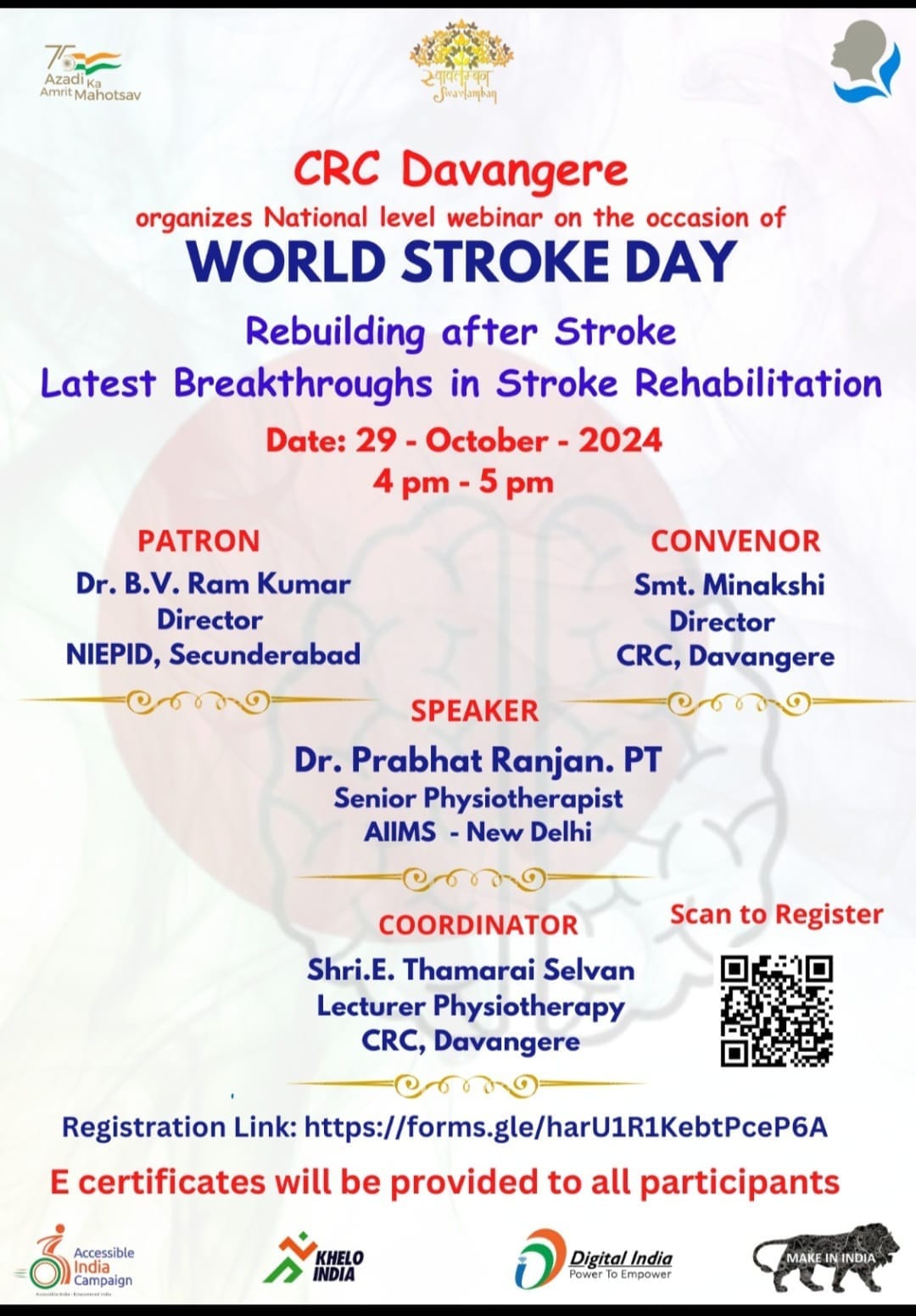
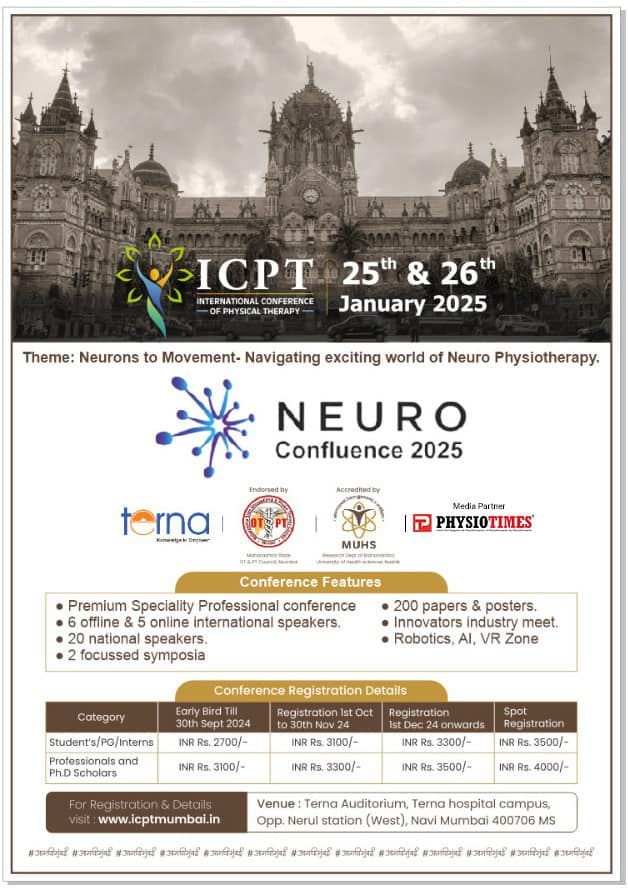
Upcoming event/s:
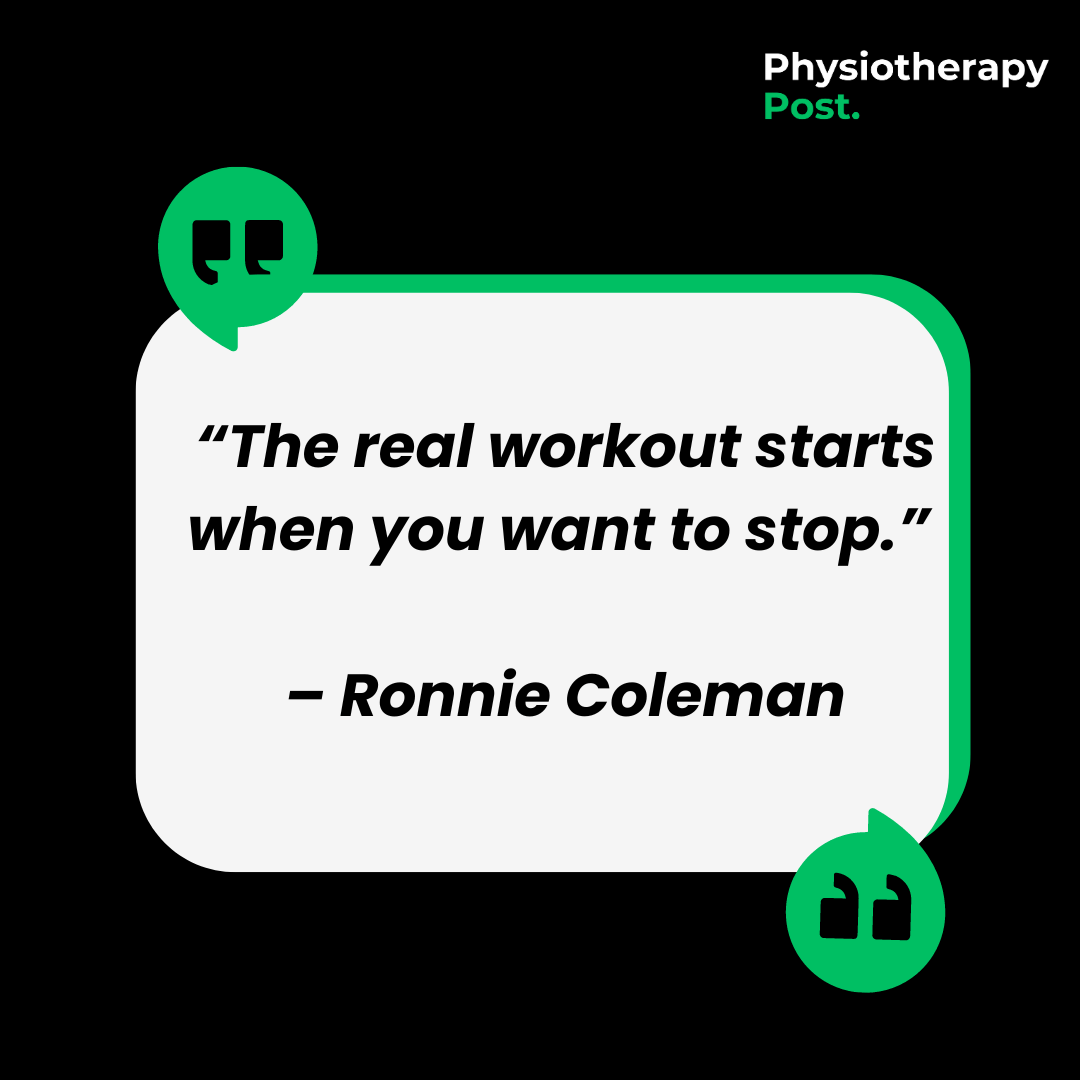
Thought of the Week:
If you have any questions or would like more personalised advice, feel free to reach out to our expert team at dr.aditisingh05@gmail.com.
Wishing you a vibrant and pain-free times ahead!
Warm regards,
Team Physiotherapy Post